
What exactly is ABA therapy?
It is an evidence-based approach that uses positive reinforcement to build life skills, improve communication, and reduce challenging behaviors. We break down complex tasks into small, teachable steps so children can experience success every day.
Will my child receive a personalized plan?
Yes. There is no “one-size-fits-all” in ABA. Every child receives a unique treatment plan based on a thorough assessment of their specific strengths, needs, and family values.
How do you measure progress?
ABA is data-driven. We record data during every session to objectively track growth in skills like social interaction and communication. You will receive regular progress reports so you can see the measurable improvements yourself.
What is the role of the parent in therapy?
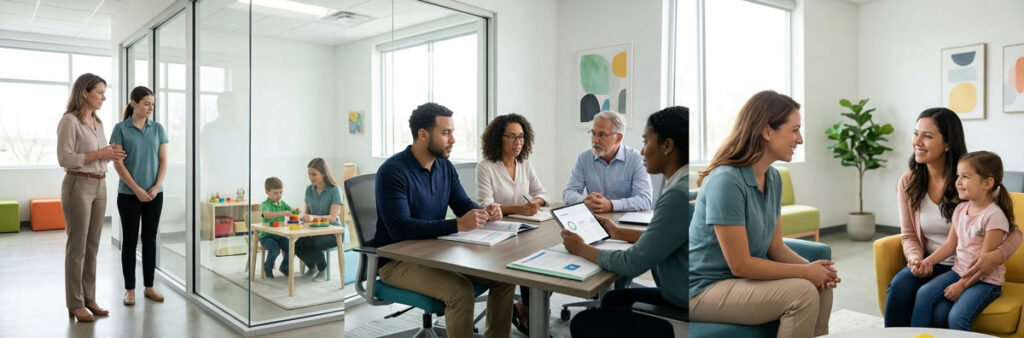
Parents are essential partners. We provide parent coaching and training so you can use the same successful strategies at home and in the community to support your child’s long-term growth.
How do you involve parents and caregivers in the therapy process?
Family involvement is a cornerstone of our services. We provide training and regular updates to parents and caregivers, equipping them with the tools and strategies needed to reinforce learning at home. This collaboration ensures consistency and maximizes the impact of the therapy.
Who will be working with my child?
Your team typically includes a Board Certified Behavior Analyst (BCBA) who designs the plan and Registered Behavior Technicians (RBTs) who provide the direct one-on-one therapy. The BCBA regularly supervises the RBT to ensure high-quality care.
How many hours of therapy will my child need?
The amount of therapy depends on your child’s individual needs. Some children benefit from 10 to 25 hours a week (Focused ABA), while others may require more intensive support. We work with you to find a schedule that balances clinical needs with your family’s life.
Can therapy happen at school or home?
Yes. Many families choose in-home or school-based therapy because it allows children to learn in their natural environment. This makes it easier for them to use their new skills in real-world situations.
How do you handle challenging behaviors?
We use functional behavior assessments to understand why a behavior is happening. Our goal is to teach the child safer, more effective ways to communicate their needs so they no longer rely on tantrums or aggression.
Does insurance cover ABA services?
Most private insurance plans and Medicaid cover ABA therapy, especially when there is a formal diagnosis of Autism Spectrum Disorder (ASD). We can help you verify your benefits and navigate the authorization process.
How long does it take to see results?
Every child is different. While some families notice small improvements in communication or behavior within the first few months, meaningful and lasting skill development typically requires consistent therapy over a longer period.
What is a BCBA, and why are they important?
A Board Certified Behavior Analyst (BCBA) is a professional with graduate-level training in behavior analysis. They are responsible for designing your child’s treatment plan and ensuring that the therapy remains effective and ethical.
Will ABA therapy make my child seem "robotic"?
Modern ABA focuses on Natural Environment Teaching (NET), which encourages natural social interactions. Our goal is to help your child gain skills while celebrating their unique personality and ensuring they remain themselves.
Does my child need an official diagnosis to start?
While anyone can benefit from behavioral support, most insurance companies require a formal diagnosis of Autism Spectrum Disorder (ASD) to cover the cost of therapy. We can guide you on the steps needed for a diagnostic evaluation.
What does a typical in-home session look like?
Sessions usually blend structured learning with play-based activities. A therapist might work on communication while playing a favorite board game or practicing self-care skills like washing hands in your own bathroom.
Can ABA help with picky eating or bed time routines?
Yes. ABA can be used to address specific “adaptive life skills,” including expanding food preferences and establishing healthy bedtime routines. We create specific plans to help with these daily family challenges.
How do you handle transitions between activities?
We use visual schedules, timers, and “first-then” strategies to help children understand what is coming next. These tools reduce the anxiety often associated with ending a preferred activity.
Will ABA help my child make friends?
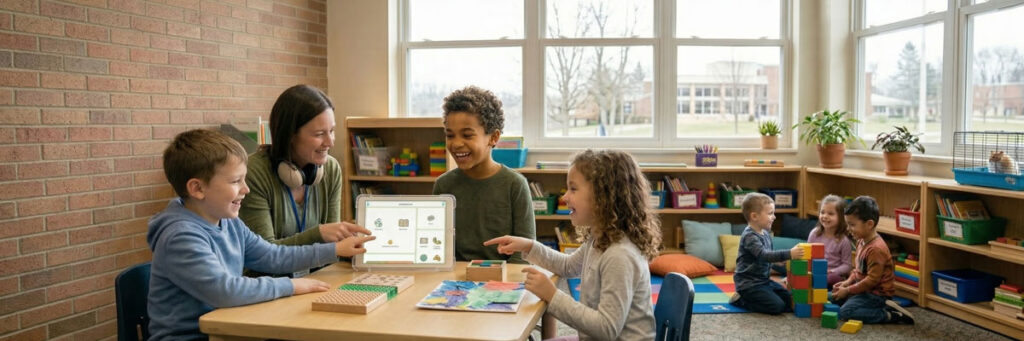
Social skills training is a major part of our work. We teach the building blocks of friendship, such as turn-taking, understanding social cues, and expressing feelings, to help your child build meaningful peer connections.
What if my child has a "meltdown" during a session?
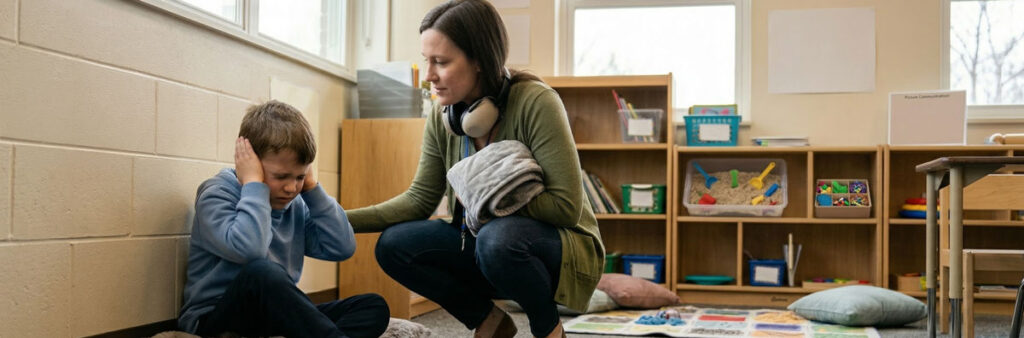
Our therapists are trained to handle challenging behaviors safely and calmly. We look for the “why” behind the behavior to help the child learn a better way to communicate their frustration or needs.
How do we know when it is time to stop therapy?
Graduation from ABA happens when a child has met their goals and can navigate their daily life successfully without intensive support. We work with you to create a transition plan that ensures their continued success.
How do you develop and customize treatment plans for my child?
We begin with a comprehensive assessment to understand your child’s unique strengths, challenges, and goals. Based on this evaluation, we develop a personalized treatment plan that focuses on targeted behaviors, skill development, and measurable outcomes. Our approach evolves as your child progresses, ensuring their plan remains effective and aligned with their growth.
What qualifications and experience do your ABA therapists have?
Our ABA therapists are highly qualified professionals, holding certifications such as Board Certified Behavior Analyst (BCBA) or Registered Behavior Technician (RBT). They undergo rigorous training in behavior analysis, ethics, and evidence-based interventions. Each therapist has extensive experience working with children of various ages and needs, ensuring high-quality, individualized care for your child.
What are the settings and structure of your ABA services?
Our ABA services are flexible and offered in various settings, including in-home, in the community, or at school, depending on your child’s needs. Sessions are structured to provide one-on-one support, focusing on individualized goals, skill-building, and behavior management. We maintain regular communication and progress tracking to ensure transparency and effectiveness.