The Growth of Inclusive Education
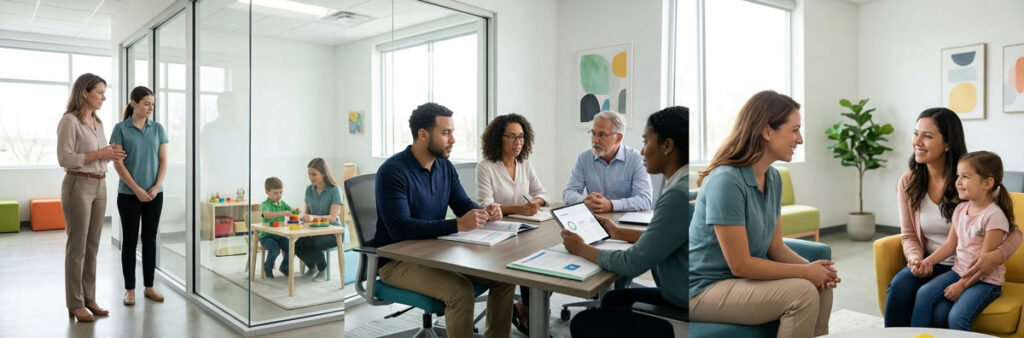
Across many schools today, inclusive education has become a central part of how students learn and grow together. Classrooms increasingly include students with different learning styles, communication abilities, and behavioral needs. Among them are many students on the autism spectrum who bring unique perspectives and strengths to the learning environment.
For educators, this shift presents both opportunities and responsibilities. Teaching in an inclusive classroom means creating an environment where every student can participate, engage with the curriculum, and feel like a valued member of the class community.
When classrooms are designed with flexibility and awareness, students with autism can develop academically while also building confidence and meaningful peer relationships.
Understanding How Autism Can Affect Learning
Autism affects how individuals process information, interact socially, and respond to their environment. In a classroom setting, these differences may appear in several ways.
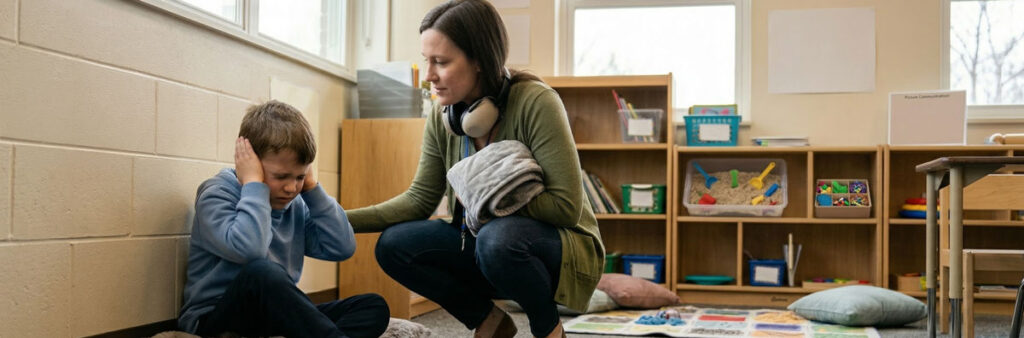
Some students may prefer clear, direct communication rather than abstract instructions. Others may experience challenges with sudden transitions, group discussions, or sensory distractions such as noise and lighting.
It is also important to recognize that autism exists on a wide spectrum. Some students may require minimal adjustments in the classroom, while others benefit from more structured learning environments.
Understanding these differences allows educators to respond thoughtfully and create learning experiences that work for a wider range of students.
Academic Participation in Inclusive Classrooms
Students with autism are fully capable of engaging with grade-level material when learning environments allow them to process information in ways that align with their strengths.
Some students excel when lessons include visual elements such as diagrams, written instructions, or demonstrations. Others may show strong abilities in areas such as math, science, technology, or pattern recognition.
Providing multiple ways to present information helps ensure that all students have an opportunity to understand the material and demonstrate their learning.
Clear Expectations Help Students Stay Engaged
Students with autism often perform best when classroom expectations are clear and predictable.
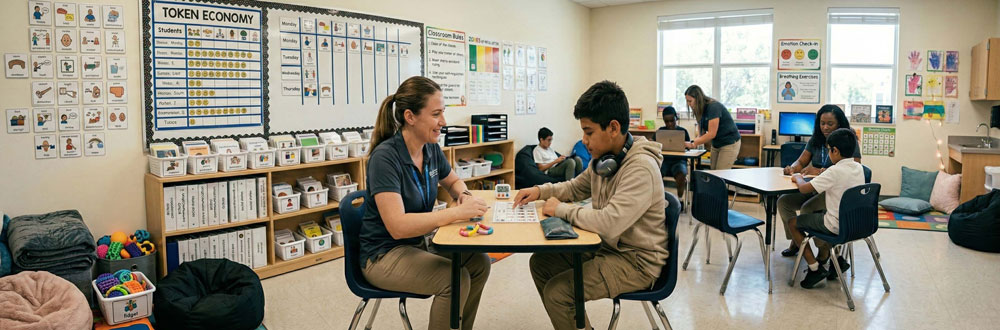
When instructions are explained step by step and classroom activities follow a consistent structure, students are better able to focus their attention on learning rather than trying to interpret unclear directions.
Predictability in the classroom environment also helps reduce confusion and allows students to participate with greater confidence.
Educators interested in practical examples can also explore our guide on ABA classroom strategies to see how these principles are applied in real learning environments.
Social Learning in the Classroom
Classrooms are important spaces for developing social understanding. Students learn how to communicate, collaborate, and navigate group dynamics through daily interactions with peers.
For some students with autism, social communication may require additional time and practice. Inclusive classrooms provide opportunities to observe peers, participate in group activities, and gradually develop these social skills.
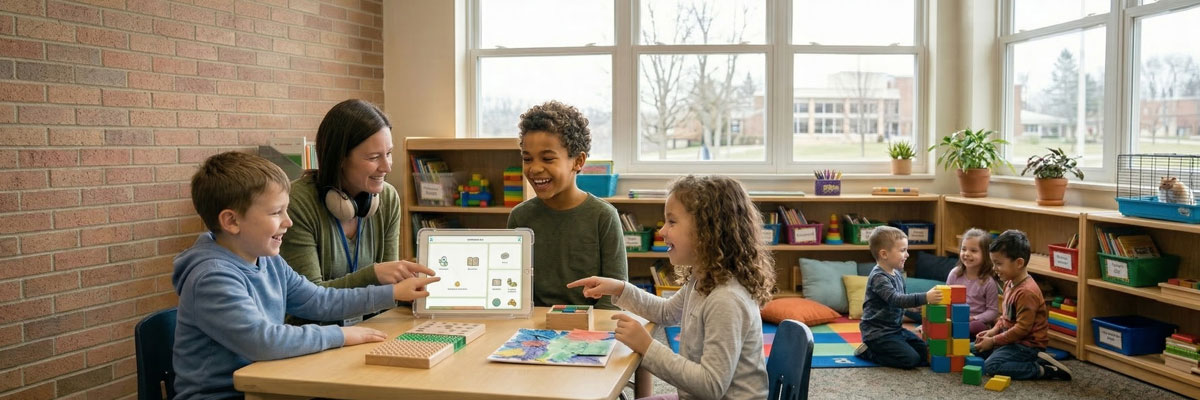
Simple classroom experiences such as working in pairs, participating in discussions, or sharing projects with classmates help students build communication skills that extend beyond academics.
The Role of Classroom Environment
The physical and emotional environment of a classroom plays a major role in how students learn. A classroom that feels calm, organized, and welcoming allows students to focus more easily on academic tasks.
Noise levels, seating arrangements, and visual organization can all influence a student’s ability to concentrate. When classrooms are thoughtfully arranged, students who are sensitive to sensory input may find it easier to remain engaged in lessons.
Building Confidence Through Participation
One of the most valuable outcomes of inclusive education is the sense of belonging it creates. When students with autism are able to participate alongside their peers, they gain confidence in their abilities and develop a stronger connection to the school community.
Participation in classroom discussions, group activities, and shared learning experiences helps students build independence and self-esteem.
Over time, these experiences contribute to both academic development and personal growth.
Inclusive Classrooms Benefit All Students
Inclusive education does not only benefit students with autism. It also encourages empathy, patience, and collaboration among all students.
When classrooms welcome diverse learners, students gain exposure to different ways of thinking, communicating, and solving problems. These experiences prepare them for a world that values understanding and cooperation.
By creating learning environments where every student has a place, educators help build classrooms that are stronger, more compassionate, and more effective for everyone.